

U&S and C&A
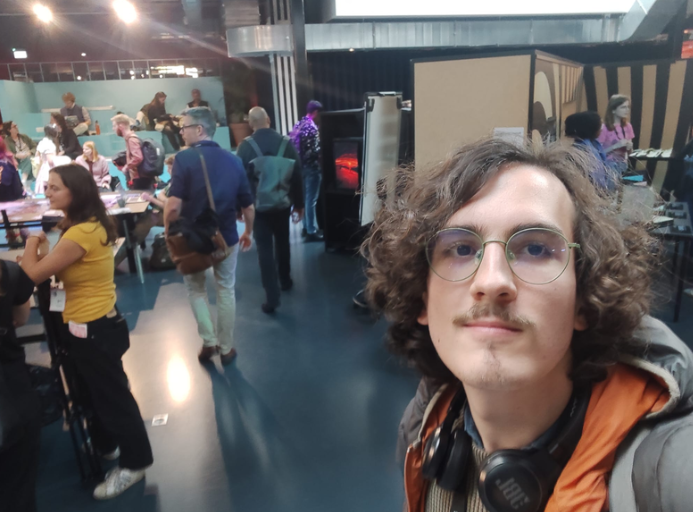
My most developed: I worked on projects centered around U&S, getting resident opinions on street changes, connecting creative and business networks to tackle sustainability, studying the psychological principles of music listeners, and more. I combined these EAs, using C&A for material to gather U&S insights, like the picture above. These were my strongest developed EAs, though I mostly applied them in a team setting. I aim to strengthen them by applying them in an independent and real-world context in my FBP

MD&C and T&R
Leading an internal AI R&D project allowed me to experiment, develop, and user test AI tools. I synthesized complex quantitative data (U&S) into visual (C&A) models and analyzed qualitative data from a diary study. Focusing on producing extensive documentation for all my R&D activity such that it remains useful beyond my internship period. This merged heavily with the other EA's, and established a foundational knowledge in AI as an industry (validating my vision) which I can use for future projects.
B&E
I practiced connecting with professionals at numerous conferences, write social media posts, and conducted market research both on AI tools & industry. Helping me get a foundational understanding of design research as a practice, and the skills necessary to develop further (strategic) to match my PI.

Design Research & Professional Skills
I practiced the methodologies for every stage of the design research process. Professionally, I significantly improved my soft skills in transparency, socialization, and confidence (though there's still room for development). My B31 solidified design-research as my desired trajectory, guiding my FBP focus.

PI&V
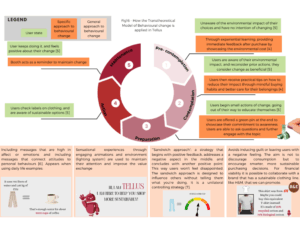
Through weekly reflection, and Stby's own reflective models (shown above) I altered my PI&V to align my interests in AI and social design with design research practices. My entire PI&V became more grounded in reality and research, and I now clearly see my role as a design researcher who primarily works with public institutions to address issues on societal scales.

IDEFINE
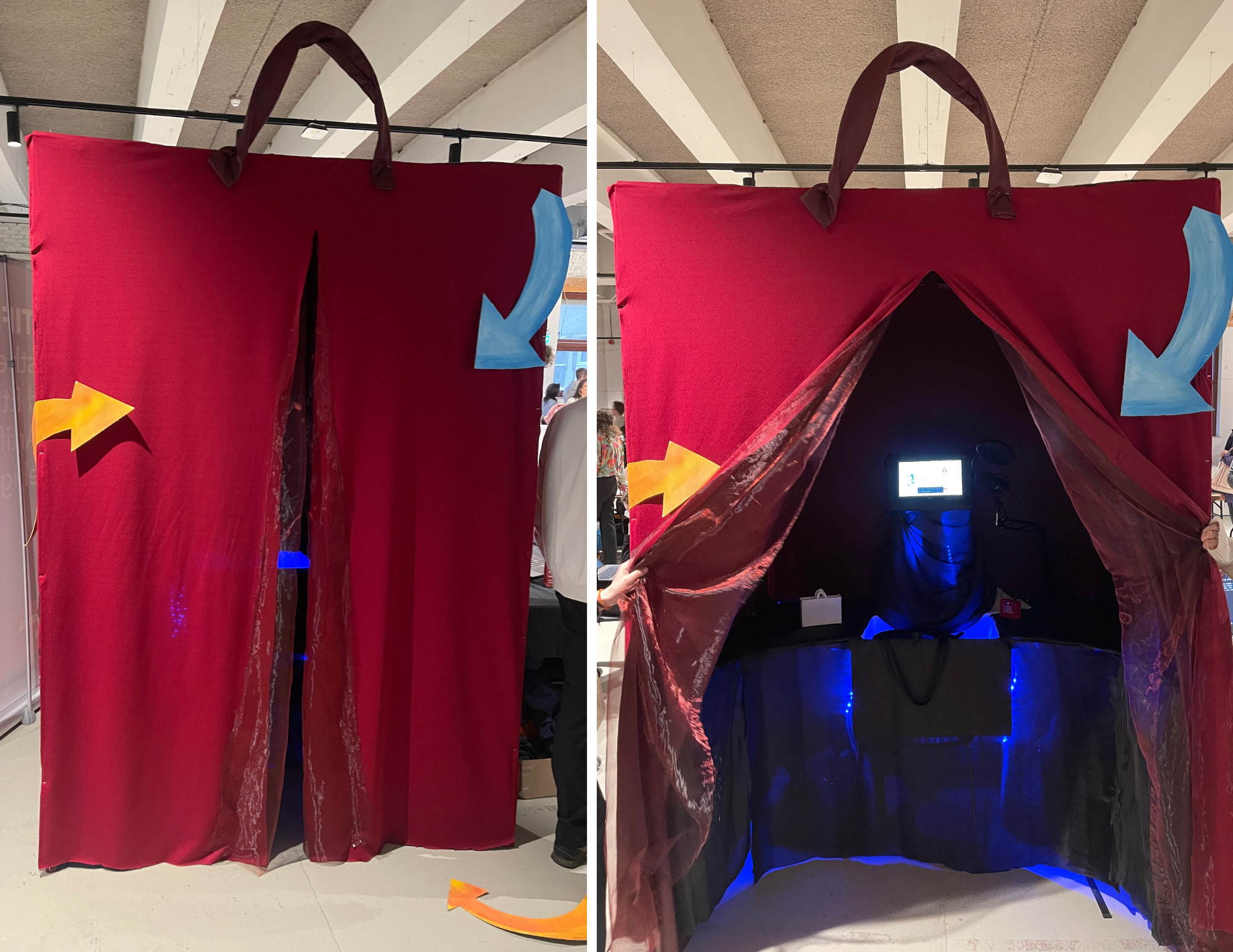
This project aimed at engaging citizens in shaping urban developments.

I contributed to research and was lead on designing, CAD modeling, and rendering the stand.

TELLUS (CBL3)
Developed by a team of four, Tellus is a conceptual interactive shopping mall booth using item scanning to communicate environmental impact via AI and dialogues based off the Transtheoretical Model of Behavioral Change.
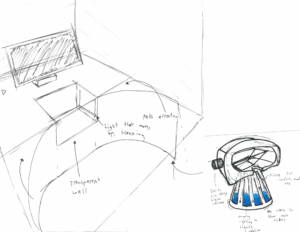
As team lead, I oversaw design and reporting, contributing to behavioral design, prototyping, AI integration, and testing.
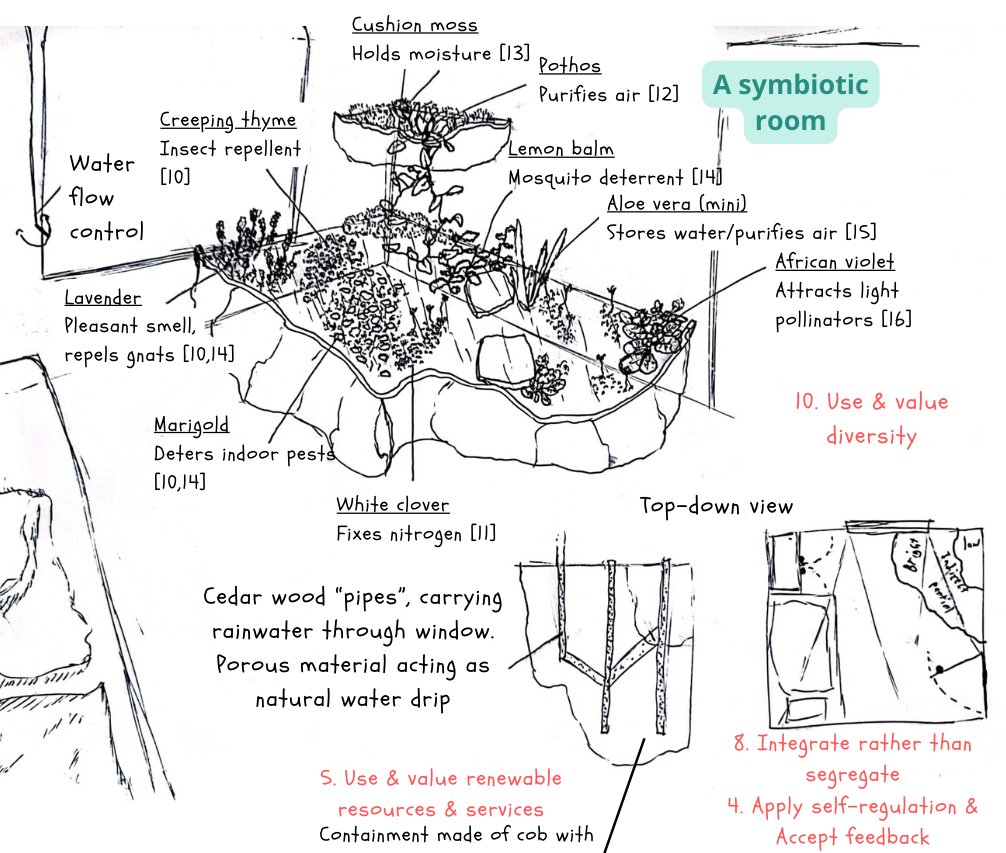
Sustainability
These projects were developed during three modules focused on sustainability in a team of four.
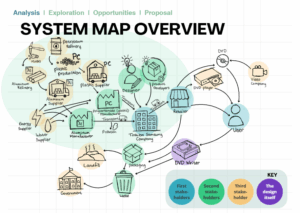
Other Minor Projects
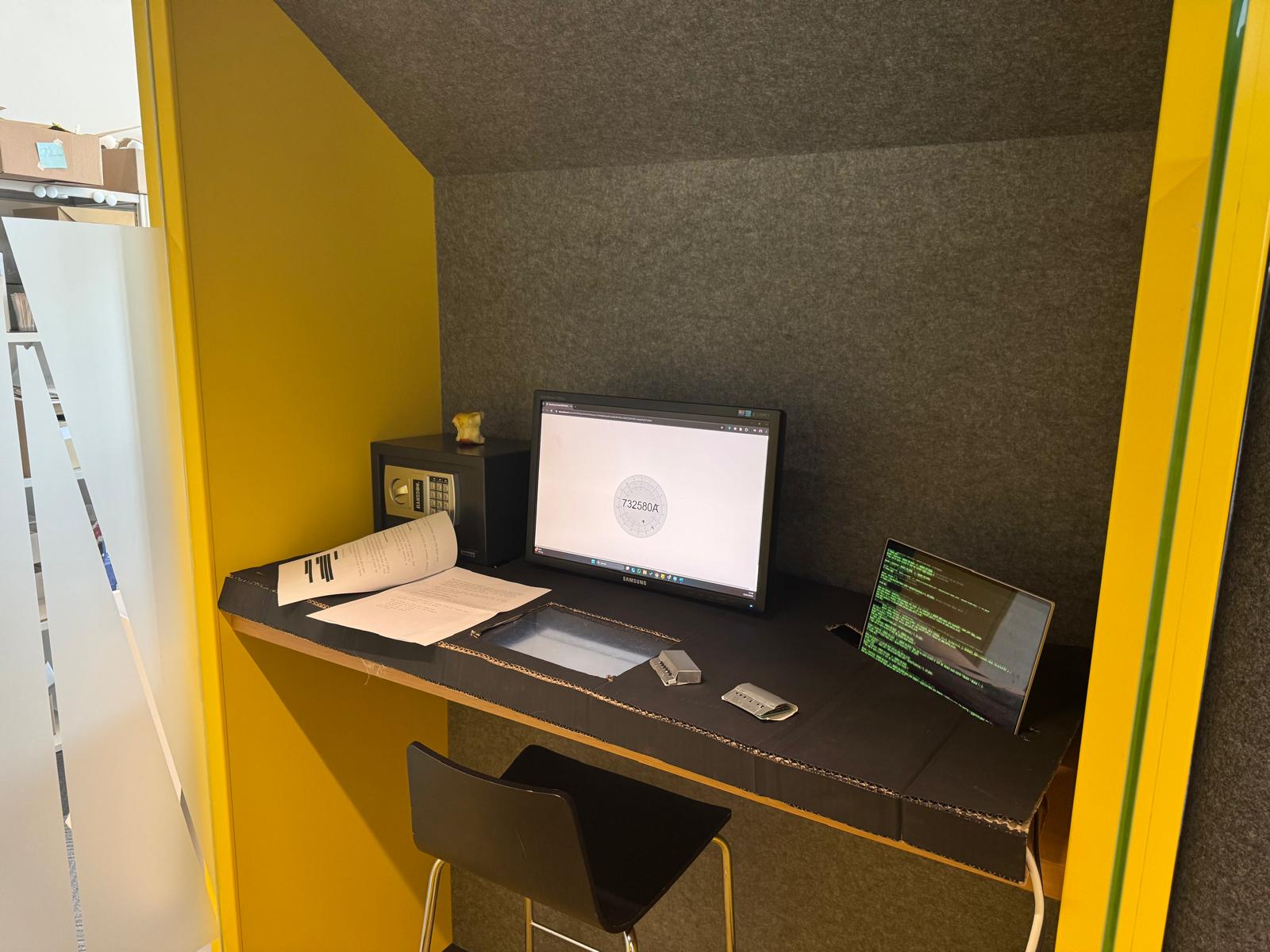
DCE – An interactive escape room, combining digital interfaces and physical components (C&A) via networked systems (T&R) to create an immersive DIY experience. Watch the experience here: https://youtu.be/VoPgiu3Vd2E

DIM – Built on Empyria, this project sustainably reimagined the predominantly U&S and C&A centric game through B&E in the form of market, stakeholder, and service analysis.

G&P (All EAs)– “Fluff Fugitive” is a hybrid game where physical objects affect the in-game world, enabling hybrid puzzle solving.

D<>R – A study on digital-physical community dynamics in running groups, using design probes and thematic analysis to explore motivation, emotion, and connection.


Created by a team of five, Empyria is a digital-physical hybrid educational board game teaching stakeholder thinking.

I led ideation, game mechanics, and prototyping, while contributing to research, user testing, and planning.

Mimet (CBL2)
